
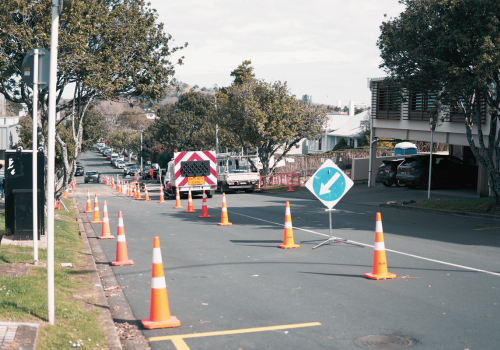
Effective traffic management is critical to maintaining New Zealand’s vast network of roads and ensuring public safety during maintenance projects. General road closures are often essential to enable routine repairs, infrastructure upgrades, or emergency fixes. For companies like Active Traffic Control, understanding and implementing compliant, efficient, and safe traffic management plans is not just a necessity – it’s a responsibility.
The Importance of Professional Traffic Control for General Road Closures
General road closures are more than just barriers and detour signs; they are about ensuring that everyone – motorists, pedestrians, and workers – remains safe and informed throughout the maintenance process. Poorly managed closures can lead to confusion, accidents, and project delays. A professional approach helps mitigate these risks, ensuring projects are completed on time while maintaining the trust of the community.
Key Considerations for General Road Closures
1. Adhering to New Zealand Regulations
Traffic management for general road closures in New Zealand must comply with the Waka Kotahi New Zealand Transport Agency’s Code of Practice for Temporary Traffic Management (CoPTTM). This regulation outlines everything from sign placement to safety standards. Partnering with a traffic management company well-versed in these guidelines ensures compliance and smooth operations.
2. Comprehensive Traffic Management Plans (TMPs)
A TMP is a cornerstone of effective traffic management for road closures. This document details how traffic will be managed around the closed area, including:
- Signage and road markings.
- Pedestrian and cyclist access.
- Detour routes for vehicles.
- Specific safety measures for workers.
The TMP must be approved by relevant authorities, making it crucial to work with experienced professionals who can anticipate and address potential concerns.
3. Communication and Public Awareness
Informing the public well in advance of a general road closure is critical. Active Traffic Control uses a combination of:
- Signage: Clear, visible notices placed in advance of the closure.
- Online Platforms: Updates through websites, social media, and traffic alert systems.
- Collaboration: Working with local councils and community groups to disseminate information.
By prioritising communication, we help reduce disruptions and build community trust.
The Process of Managing a General Road Closure
Step 1: Initial Assessment
Before any closure, a thorough assessment is conducted. This involves identifying the project’s scope, potential hazards, traffic volume, and key stakeholders. Early engagement with authorities and project managers ensures alignment and clarity from the outset.
Step 2: Developing the Traffic Management Plan
The TMP is tailored to the specific needs of the closure. For example, a high-traffic urban area might require advanced detour strategies and additional signage, while rural closures may need fewer but strategically placed controls.
Step 3: Setting Up the Site
On the day of the closure, Active Traffic Control’s trained staff meticulously set up the site according to the approved TMP. This includes:
- Positioning barriers and cones to create safe work zones.
- Placing advance warning signs to alert motorists and pedestrians.
- Establishing clear detour routes with appropriate directional signs.
Step 4: Real-Time Monitoring and Adjustments
Traffic patterns can be unpredictable. By monitoring the site in real-time, our team can make on-the-spot adjustments to improve traffic flow or address unexpected issues. This dynamic approach minimises disruptions and enhances safety.
Step 5: Closure Pack Down and Post-Closure Review
Once the maintenance work is complete, the team ensures a seamless transition back to normal traffic conditions. A post-closure review is conducted to evaluate the effectiveness of the TMP and identify areas for improvement in future projects.
Challenges in Managing General Road Closures
1. Balancing Traffic Flow and Safety
One of the primary challenges is maintaining a balance between minimising disruptions to motorists and ensuring the safety of workers and pedestrians. This is especially complex in high-traffic areas or during peak hours.
2. Managing Unpredictable Conditions
Weather changes, unexpected traffic volume, or emergencies can disrupt even the most well-planned road closures. Experienced teams like ours are equipped to adapt quickly and maintain control.
3. Stakeholder Coordination
Effective road closures require collaboration with various stakeholders, including local councils, utility companies, and emergency services. Clear communication and proactive engagement are key to navigating these complexities.
Adding Value Beyond Compliance
1. Innovation in Traffic Management
Active Traffic Control leverages advanced tools and technology to optimise road closures. For instance, real-time traffic monitoring systems and mobile applications provide instant updates to the public, reducing confusion and improving compliance with detours.
2. Sustainability Considerations
We are committed to minimising environmental impacts during road closures. Strategies like reducing idling times and optimising detour routes help lower emissions and align with New Zealand’s sustainability goals.
3. Community-Centric Approach
Beyond the technical aspects, we prioritise the needs of local communities. By minimising disruptions and maintaining clear communication, we foster goodwill and trust with residents and businesses affected by road closures.
The Role of Trained Professionals
Managing general road closures is not just about following a checklist – it requires skilled professionals who understand the nuances of traffic management. Active Traffic Control invests in rigorous training for its staff, ensuring they are equipped to handle diverse scenarios and maintain the highest safety standards.
Why Choose Active Traffic Control?
With extensive experience and a commitment to excellence, Active Traffic Control stands out as a leader in managing general road closures for maintenance. Our team brings a blend of technical expertise, innovative solutions, and a community-first approach to every project.
When you partner with us, you gain access to:
- Comprehensive TMP development and approval support.
- Real-time monitoring and adaptive management.
- A commitment to safety, efficiency, and sustainability.
Conclusion
General road closures are an essential part of maintaining New Zealand’s infrastructure. By prioritising compliance, safety, and community engagement, companies like Active Traffic Control ensure that these closures are managed professionally and efficiently. Whether it’s a routine maintenance project or an emergency repair, our expertise adds value at every stage, keeping New Zealand moving safely and smoothly.